


Understanding Rosacea and Redness-Prone Skin
By Dr. Nancy Ilaya, PhD
Kiehl's Global Scientific Director
Published On: December 7, 2025
Last Updated On: December 7, 2025
EDUCATIONAL INFORMATION ONLY - NOT MEDICAL ADVICE
The following information is provided for general educational purposes only and does not constitute medical advice. This information is not intended to promote Kiehl's products for the treatment of medical conditions. For medical information about eczema and psoriasis, please consult the National Eczema Association (NEA) and National Psoriasis Foundation (NPF), or speak with your healthcare provider.
EDUCATIONAL INFORMATION ONLY - NOT MEDICAL ADVICE
The following information is provided for general educational purposes only and does not constitute medical advice. This information is not intended to promote Kiehl's products for the treatment of medical conditions. For medical information about eczema and psoriasis, please consult the National Eczema Association (NEA) and National Psoriasis Foundation (NPF), or speak with your healthcare provider.

What is Redness-Prone Facial Skin?
Sensitive skin is often redness-prone facial skin that experiences frequent or spontaneous facial redness, often appearing in the center of the face, cheeks, nose, chin and forehead.
Facial redness can have many causes. While some redness is associated with diagnosed conditions like rosacea, eczema, or dermatitis (which require dermatological care), many people experience redness-prone skin due to environmental factors, lifestyle choices, or inherent skin sensitivity which signal a compromised skin barrier.

About Rosacea and Redness-Prone Sensitive Skin
Many people experience facial redness and skin sensitivity. While some individuals may have rosacea – a common condition diagnosed by dermatologists- others experience redness-prone skin due to various factors. Rosacea is a common facial skin disorder that affects approximately 415 million people globally, according to the National Rosacea Foundation. Rosacea-prone skin and sensitive skin that shows visible redness can both appear as facial flushing, persistent pinkness, visible blood vessels, and occasional bumps. Skin prone to redness is often highly reactive and may experience sensations of warmth, tingling, or discomfort. Sensitive skin prone to redness, especially in rosacea, is highly reactive and often experiences burning, stinging, or itching sensations—what some describe as a “skin meltdown.”
If you suspect you have rosacea or another skin condition, please consult a dermatologist for proper diagnosis.
What is Redness-Prone Facial Skin?
Sensitive skin is often redness-prone facial skin that experiences frequent or spontaneous facial redness, often appearing in the center of the face, cheeks, nose, chin and forehead.
Facial redness can have many causes. While some redness is associated with diagnosed conditions like rosacea, eczema, or dermatitis (which require dermatological care), many people experience redness-prone skin due to environmental factors, lifestyle choices, or inherent skin sensitivity which signal a compromised skin barrier.
About Rosacea and Redness-Prone Sensitive Skin
Many people experience facial redness and skin sensitivity. While some individuals may have rosacea – a common condition diagnosed by dermatologists- others experience redness-prone skin due to various factors. Rosacea is a common facial skin disorder that affects approximately 415 million people globally, according to the National Rosacea Foundation. Rosacea-prone skin and sensitive skin that shows visible redness can both appear as facial flushing, persistent pinkness, visible blood vessels, and occasional bumps. Skin prone to redness is often highly reactive and may experience sensations of warmth, tingling, or discomfort. Sensitive skin prone to redness, especially in rosacea, is highly reactive and often experiences burning, stinging, or itching sensations—what some describe as a “skin meltdown.”
If you suspect you have rosacea or another skin condition, please consult a dermatologist for proper diagnosis.
What Causes Redness-Prone Skin?
Understanding the triggers behind your skin redness is the first step toward managing the appearance of visible redness. Common causes include:
SHOP SENSITIVE SKIN FORMULAS
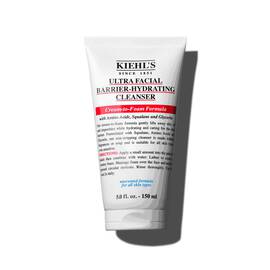
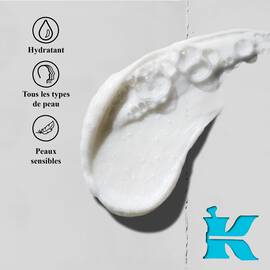
Ultra Facial Barrier-Hydrating Cleanser
Un nettoyant crème-mousse hydratant pour peaux sensibles, qui élimine les impuretés sans dessécher la peau.
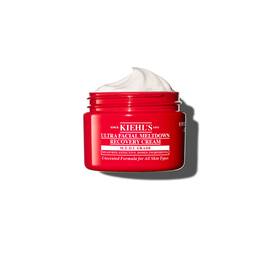
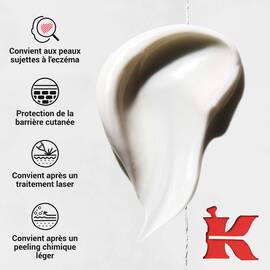
Ultra Facial Meltdown Recovery Cream
La crème ultra-réparatrice qui apaise les peaux en crise en 5 secondes, grâce au traitement Colloïdal et au Dexpanthenol. Soulage les peaux les plus sensibles, même post-interventions dermatologiques superficielles.
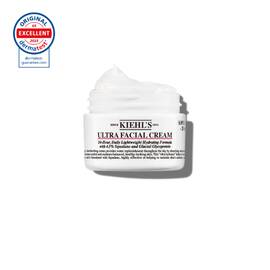
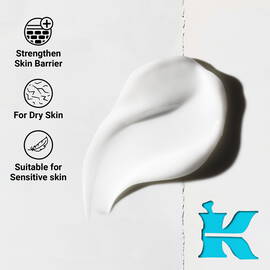
Crème hydratante 24 heures Ultra Facial Cream
✓ #1 best-seller mondial ✓ 72h d'hydratation
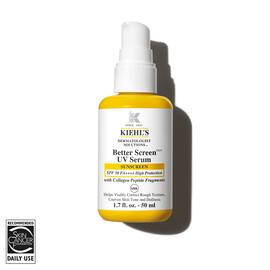
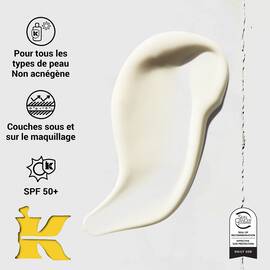
Better Screen™ UV Serum
Un sérum solaire léger avec peptide de collagène qui aide à protéger contre les dommages causés par le soleil et à corriger visiblement les premiers signes du vieillissement.
Ultra Facial Barrier-Hydrating Cleanser
Un nettoyant crème-mousse hydratant pour peaux sensibles, qui élimine les impuretés sans dessécher la peau.
What Causes Redness-Prone Skin?
Understanding the triggers behind your skin redness is the first step toward managing the appearance of visible redness. Common causes include:
SHOP SENSITIVE SKIN FORMULAS
Ultra Facial Barrier-Hydrating Cleanser
Un nettoyant crème-mousse hydratant pour peaux sensibles, qui élimine les impuretés sans dessécher la peau.
Ultra Facial Barrier-Hydrating Cleanser
Un nettoyant crème-mousse hydratant pour peaux sensibles, qui élimine les impuretés sans dessécher la peau.
Ultra Facial Barrier-Hydrating Cleanser
Un nettoyant crème-mousse hydratant pour peaux sensibles, qui élimine les impuretés sans dessécher la peau.
Ultra Facial Barrier-Hydrating Cleanser
Un nettoyant crème-mousse hydratant pour peaux sensibles, qui élimine les impuretés sans dessécher la peau.
Ultra Facial Barrier-Hydrating Cleanser
Un nettoyant crème-mousse hydratant pour peaux sensibles, qui élimine les impuretés sans dessécher la peau.
Supporting the Skin’s Moisture Barrier
Maintaining a healthy-looking moisture barrier can help skin that is prone to visible redness appear calmer and more comfortable.
Here are some helpful tips from Kiehl’s to help you choose the right emulsion:
- Reactive Skin Appearance : Skin prone to redness may appear more reactive to external factors like temperature changes or certain ingredients.
- Barrier Vulnerability : Skin that shows redness often also shows signs of dryness and may appear more delicate.
- Visible Signs : When the skin's moisture barrier appears compromised, it can lead to more visible redness and the appearance of irritation.
For individuals with diagnosed rosacea, maintaining skin barrier health is one aspect of a comprehensive care plan developed with a dermatologist.
A GENTLE APPROACH TO REDNESS-PRONE SKIN
For cosmetic care of sensitive skin that shows visible redness, focus on gentle products that help maintain the appearance of a healthy moisture skin barrier and provide a comfortable feel on skin.
1. Gentle, Moisture Barrier-Friendly Cleansing
Avoid harsh, stripping cleansers that worsen visible redness by disrupting the skin's natural barrier. Instead, opt for a non-stripping, soothing cleanser like Kiehl's Ultra Facial Barrier Cleanser. This fragrance-free cleanser gently removes impurities without compromising the skin barrier, formulated with glycerin and squalane to help reduce skin discomfort by maintaining optimal hydration.
2. Soothing Care with a Medicated Cream for Visible Redness
Look for medicated creams formulated to help support skin's moisture barrier with soothing ingredients that help visibly reduce the appearance of redness.
Kiehl's Ultra Facial Medicated Cream is an over-the-counter (OTC) skin protectant drug product containing Colloidal Oatmeal (1%), an FDA-recognized active ingredient. This formula has been recognized by the National Rosacea Foundation® as meeting their criteria for rosacea-prone skin. This fragrance-free sensitive skin moisturizer delivers intensive hydration for visible skin comfort, making it ideal for soothing irritated skin experiencing a skin meltdown.
Drug Facts and uses: Please refer to product packaging for complete drug facts, active ingredients, uses, and warnings as required by FDA OTC drug regulations.
This fragrance-free formula provides intensive hydration to help skin look and feel more comfortable.
3. Protect Your Skin Barrier from Environmental Stressors
Sun protection and trigger avoidance—such as extreme weather or certain skincare products—are essential for maintaining calm, sensitive skin. Use a broad-spectrum sunscreen as a physical skin protectant and be mindful of your environment to help reduce the appearance of visible redness.
ADDITIONAL EXPERT TIPS
Patch Test New Products:
Always test new skincare items on a small area before full application to avoid triggering irritated skin.
Avoid Hot Water:
Use lukewarm water when cleansing to prevent elevating skin temperature and trigger visible redness.
Manage Stress:
Incorporate relaxation techniques such as meditation or gentle exercise to help minimize stress-induced flushing and skin meltdown episodes.
Consult a Dermatologist:
If you experience persistent, worsening, or painful facial redness, or suspect you may have rosacea, eczema, or another skin condition, seek professional dermatological evaluation. A dermatologist can provide proper diagnosis and develop a comprehensive treatment plan. The skincare routines and products discussed here are intended for cosmetic use and do not replace medical treatment.

Need Personalized Advice?
Visit our stores for a complimentary skincare consultation and analysis with our Derma-Reader to discover your customized skincare regimen for caring for sensitive skin and achieving lasting comfort.
SHOP SENSITIVE SKIN FORMULAS
Ultra Facial Barrier-Hydrating Cleanser
Un nettoyant crème-mousse hydratant pour peaux sensibles, qui élimine les impuretés sans dessécher la peau.
Ultra Facial Meltdown Recovery Cream
La crème ultra-réparatrice qui apaise les peaux en crise en 5 secondes, grâce au traitement Colloïdal et au Dexpanthenol. Soulage les peaux les plus sensibles, même post-interventions dermatologiques superficielles.
Crème hydratante 24 heures Ultra Facial Cream
✓ #1 best-seller mondial ✓ 72h d'hydratation
Better Screen™ UV Serum
Un sérum solaire léger avec peptide de collagène qui aide à protéger contre les dommages causés par le soleil et à corriger visiblement les premiers signes du vieillissement.
Ultra Facial Barrier-Hydrating Cleanser
Un nettoyant crème-mousse hydratant pour peaux sensibles, qui élimine les impuretés sans dessécher la peau.
Ultra Facial Barrier-Hydrating Cleanser
Un nettoyant crème-mousse hydratant pour peaux sensibles, qui élimine les impuretés sans dessécher la peau.
Ultra Facial Barrier-Hydrating Cleanser
Un nettoyant crème-mousse hydratant pour peaux sensibles, qui élimine les impuretés sans dessécher la peau.
Ultra Facial Barrier-Hydrating Cleanser
Un nettoyant crème-mousse hydratant pour peaux sensibles, qui élimine les impuretés sans dessécher la peau.
Ultra Facial Barrier-Hydrating Cleanser
Un nettoyant crème-mousse hydratant pour peaux sensibles, qui élimine les impuretés sans dessécher la peau.
Ultra Facial Barrier-Hydrating Cleanser
Un nettoyant crème-mousse hydratant pour peaux sensibles, qui élimine les impuretés sans dessécher la peau.


